




LinkedIn Substack
 

Tag Archive: health

  1. Mental Health and Nutrition

    Leave a Comment

    This month I’m involved in two seminars on mental health and nutrition. It astonishes me even now that people still do not relate what they are putting into their mouths with not only their physical health but also their mental health. We are now quite accepting of the fact that if we have high cholesterol we should cut out saturated fat, or if we have high blood pressure we should cut out salt in our diet, but why does mental health get pushed to the back of the pile?

    Last year I visited a private and an NHS psychiatric unit. Although there has been changes in a few hospitals, sadly not enough has been done in the last ten years I’ve being doing this job. The diet is high in caffeine, sugar, and saturated fat and the chocolate and drinks machines all too visible and widely used.

    In the governments 2008 paper The Links between Diet and Behaviour (go to www.fhf.org.uk/inquiry to read the full report) there are clear indications that change needs to happen.

    “The scanty training for GP’s and other medical professionals in nutrition and diet detracts from their ability to support their patients physical and mental health.”

    From anxiety to bi polar disorder it is vital to get the basic building blocks of good daily nutrition into your body for your brain to function properly.

    As the brain is made up from 75% water and 21% essential fact even on a basic level your brain needs to be well hydrated and your diet high in Omega 3 essential fatty acids which the body cannot make on its own ie you need to source it from your diet.

    Many of my clients with mental health problems have low levels of omega 3, zinc, vitamin B, and magnesium. Their diet is usually high in caffeine, sugar and saturated fat, all detrimental to good mental health. An astonishing 70% have had problems with maintaining good blood sugar levels as a consquence of their diet.

    A low protein diet is also common. Amino acids found in proteins provide the raw materials needed to make neurotransmitters and a low protein diet is often at the route of neurotransmitter imbalance.

    Some foods directly stimulate a neurotransmitter response for instance carbohydrates influence serotonin production and caffeine stimulates adrenaline synthesis. There are many other specific vitamins and minerals that have a powerful effect on your mood. Without proper neurotransmitter balance brain function and mood can be seriously affected. Feelings of anxiety and stress are commonplace in today’s society. The body’s stress response has not yet evolved to deal efficiently with modern life, meaning the slightest emotional stress still causes a powerful release of chemicals. Two minerals, calcium and magnesium play an important role in regulating your nervous system. By making sure you have adequate dietary intake of these two nutrients you can help yourself combat feelings associated with stress and induce calmness and relaxation.

    Two particular neurotransmitters are also especially helpful. GABA restores calm after a stressful event, helping you to relax. Another called dopamine enables your body to deal with stress more efficiently, helping to reduce feelings of anxiety.

    Foods to calm you down
    Include dark leafy vegetables like watercress, kale, broccoli, spinach along with brown rice, almonds and walnuts, wheatgerm and sardines to top up on calcium and magnesium. To boost GABA formation include cheddar cheese, cow’s milk, chicken, turkey and eggs in your diet. For dopamine add in a few soya products like tofu, miso and soya yoghurt with peanuts, almonds and tuna.

    Foods to make you happy
    Cold water oily fish such as salmon and mackerel contain the good fat omega-3, helping with cell function and production of serotonin. To boost serotonin increase tryptophan rich foods like cashew nuts, bananas, figs, cheese, milk and turkey.
    Avocadoes, lentils and bananas all contain high levels of B6, helping with conversion of tryptophan into the necessary serotonin. B-vitamins can’t be stored in the body so it’s essential that you get a daily to up.

    Foods to beat the blues
    Complex carbohydrates have a slower release of sugar so include wholegrains, fruit and vegetables, lentils and beans. Replace your white refined foods with the wholegrain alternative – brown rice, granary bread, wholewheat pasta. Include some form of good quality protein at every meal, especially breakfast helps to stabilise blood sugar and up your production of serotonin. Increase your intake of oily fish which contain the omega-3 fats needed for proper brain function these have been shown to aid mood and concentration. Increase your intake of zinc rich foods including fish, nuts and seeds since zinc is needed to help make serotonin.

    [digg=http://digg.com/health/Mental_Health_and_Nutrition]

  2. What’s causing my IBS?

    Leave a Comment

    It is a rarity in my clinic to have someone who doesn’t complain about bloating in one form or another. I would say 70% of people I see have gut problems, ranging from IBS to more serious conditions like crohns disease but the overall complaint is nearly always bloating. Bloating is one of the main symptoms of IBS consisting of alternating constipation/diarrhoea, pain and gas. Apart from the physical symptoms, it also can leave people extremely incapacitated and in extreme cases can ruin the quality of people’s lives. The confusion over IBS leads people to self diagnose and eliminate gluten and dairy from their diet – this is not the full story and the problem may be the gut itself rather than the food you are eating. However, even more confusingly it can be both the food you are eating and your gut.

    If you have seen your GP/consultant and they have found no obvious cause of your symptoms and you have been diagnosed with IBS then read on…

    Causes of IBS

    The most common causes of IBS are

    Prolonged levels of stress decreasing the immunity and making the gut more vulnerable to opportunistic bacteria, yeast and parasites

    Low levels of gut flora leading to gut dysbiosis. This happens after stress, a bad diet, or after a course of antibiotics

    A higher than normal level of candida or yeasts in the bowel usually after antibiotics, bad diet or high levels of stress

    Parasite infections – with the amount of people travelling now, nearly 30% of people I see have undiagnosed parasites in the bowel

    Too much food creating gas i.e. indigestible carbohydrates like onions, garlic, leeks, and vegetables in general

    Too much sugar in the diet leading to severe bloating and trapped wind. If the bowel has an overgrowth of yeast, the sugar will feed it. The patient will often describe this as feeling nine months pregnant!

    Food intolerances or allergies i.e. wheat, gluten, cows milk etc

    Undiagnosed lactose intolerance, coeliac disease, ulceratative colitis or crohns disease – if you are in any doubt, see your GP and ask for a test.

    How do you find out if you have any of the above?

    A simple stool test and allergy test will sort out the cause of your symptoms.
    Click on IBS clinic for more information.

  3. Tips for lowering cholesterol

    Leave a Comment

    Good news for the humble egg this week. They are officially good for your heart! The cholesterol in eggs has a minimal effect on serum cholesterol levels according to the British Nutrition Foundation and scientists have proved that eggs produce proteins that mimic the action of blood pressure-lowering drugs. Eggs may in fact be good for your heart by lowering blood pressure in the same way as Ace inhibitors, taken by millions around the world. These drugs lower blood pressure by stopping the hormone angiotensin narrowing the body’s blood vessels.

    Researcher Professor Bruce Griffin, of the University of Surrey, said: ‘The ingrained misconception linking egg consumption to high blood cholesterol and heart disease must be corrected.’

    As I’m forever correcting my patients about their fear over egg consumption – this is great news and one that will hopefully filter through to the nation. One of the most sustaining and healthy breakfasts is scrambled eggs on toast. Not only is it a brilliant low GI meal, but it will prevent any hunger pangs mid morning. People rely far too much on sugary based cereals and toast every morning and forget about the importance of protein.

    Many of my clients are still very confused about cholesterol and what foods make it worse or better. The most common misconception is that all fat is bad for you. That simply isn’t the case, and its important to keep eating essential fatty acids i.e. omega 3 and 6 in the diet. Essential Fatty Acids reduce your ldl (bad cholesterol) and thin the blood. Many of the eggs we buy are fed on Omega 3 rich feed.

    It is important after 40 to know what your cholesterol levels are and particularly the ratio of good (HDL) to bad (LDL). If you have just had your cholesterol tested and its slightly raised and you would like to try diet and exercise before statins here is my advice. Give yourself eight weeks and then get it tested again.

    Top tips to help lower cholesterol

    Avoid all saturated fat and cholesterol in the diet – choose chicken, fish, tofu and pulses over red meat. Particularly avoid pork and pork products, fried and fatty food.

    Avoid all hydrogenated fats – this means you will need to start reading labels.

    Use a scrape of butter or margarines that contain plant sterols,

    Cut out all alcohol, cakes, carbonated drinks, coffee, refined food (white flour and white sugar.

    Take regular exercise and avoid stress where possible.

    Do not eliminate all good fat from the diet so do include oily fish, nuts and seeds in your diet.

    When eating nuts make sure they are raw rather than dry roasted etc and almonds are especially good as they are high in arginine.

    Use cold pressed oil to cook with e.g. olive, soybean, flaxseed that have never been heated over 110oF.

    Increase your fibre in the forms of fruit, vegetables, and whole grains as this can reduce serum cholesterol. Choose brown rice and psyllium husks, oats, and barley.

    Garlic is amazing for reducing cholesterol, and can be taken raw (do be careful though!) stir fried, roasted or in supplements. Other foods known to reduce cholesterol include apples, carrots, oily fish, pulses, grapefruit and olive oil.

    [digg=http://digg.com/health/Tips_for_lowering_cholesterol_and_good_news_for_the_egg]

  4. Antibiotics – do you really need them?

    Leave a Comment

    It has been estimated that in the last year £100 million has been wasted on 23 million prescriptions to fight infections that will have no effect. Think what could be done with that money. Its a shameful waste and we all have to start taking some personal responsibility for our own health.

    The facts are that antibiotics dont work on colds, coughs, sore throats or the flu. And unless you are under two, elderly or have health complications you should not be asking your GP for antibiotics unless the symptoms become severe.

    In the last decade alone, E coli has become 10% more resistant to antibiotics. If we continue taking antibiotics for viral infections our resistance may go down as well. Dont get me wrong, I am not against antibiotics at all. However they should be treated with great respect and used for severe bacterial infections like UTI’s and pneumonia.

    If you have a cold, cough, sore throat or flu symptoms, try and boost your immune system naturally or try over the counter medication for symptomatic relief.

    Here are some basic tips to help relieve the symptoms of viral infections:

    1. Drink plenty of fluids – particularly water. Try hot lemon and honey which is particularly good for sore throats and laryngitis. Diluted vegetable juices, herb teas and infusions are fine.

    2. Eat clean simple foods like home made vegetable soup, chicken soup if you have the flu, casseroles are a good complete meal (include ginger and garlic), fruit and vegetables and whole grains. Avoid refined foods, coffee and cheese if you have lots of mucous as this can make it worse.

    3. Try echinacea tincture if you feel you are coming down with a virus and 1g of vitamin c daily. This wont necessarily stop you getting ill, but will help the immune system fight the infection. A multivitamin with extra zinc (at least 10mg) may help as well.

    4. Wash your hands. This can reduce your infection by as much as 70%. Think where you have been during the day and how many surfaces you have touched!

    5. If the virus is bad, do take time off work if you can and go to bed or rest. Often we go back to work too soon and infect everyone else in the office and dont take enough time to recover!

    6. Stay warm, do not get chilled.

    7. Try Olbas Oil or a similar natural decongestant that can be breathed in or put in a hankie and sniffed and try zinc lozenges for sore throats. Go to www.olbas.co.uk for a range of vapourisers, tissues, inhalants and lozenges.

    8. Avoid sugar as its thought this can impair the immune system due to the fact that glucose and vitamin C complete for transport sites in the white blood cells. With this in mind do not think that drinking litres of orange juice will help you. Not only can it be high in sugar but the amount of vitamin C can vary dramatically.

    [digg=http://digg.com/health/Antibiotics_do_you_really_need_them]

  5. Reducing stress through diet

    Leave a Comment

    84I am constantly reminded in my job how much stress affects our health. This year alone I have seen numerous clients with serious stress situations in their life. Although I’m a nutritionist, and not a councillor, its important for me to listen to the problems my clients are having as this helps me support them with diet and supplements.

    It is vital in times of severe stress to try and eat well. With high levels of adrenaline and cortisol charging round the body, we crave foods that will either wake us up or calm us down. These will include caffeine, sugar, and other stimulants, as well as cravings for carbohydrates, chocolate and cheese. Often these foods will have a direct affect on our brain chemistry helping to raise serotonin and give us energy. This may sound good but the effects are short lived and long term can lead to more anxiety and stress.

    So whats happening in the brain?

    Your feelings are generated by tiny brain chemicals called neurotransmitters. These include dopamine, serotonin and adrenaline. Neurotransmitters are responsible for dictating your mood and are greatly affected by what you eat. Serotonin is associated with a reduction in stress and tension and feelings of happiness, whereas dopamine and adrenaline have different mood effects by boosting concentration and alertness. The influence of food is extremely relevant when neurotransmitter production is considered. Amino acids found in proteins provide the raw materials needed to make neurotransmitters and a low protein diet is often at the route of neurotransmitter imbalance.

    Woman trying to sleepSome foods directly stimulate a neurotransmitter response for instance carbohydrates influence serotonin production and caffeine stimulates adrenaline synthesis. There are many other specific vitamins and minerals that have a powerful effect on your mood. Without proper neurotransmitter balance brain function and mood can be seriously affected. Feelings of anxiety and stress are commonplace in today’s society. The body’s stress response has not yet evolved to deal efficiently with modern life, meaning the slightest emotional stress still causes a powerful release of chemicals. Two minerals, calcium and magnesium play an important role in regulating your nervous system. By making sure you have adequate dietary intake of these two nutrients you can help yourself combat feelings associated with stress and induce calmness and relaxation. GABA restores calm after a stressful event, helping you to relax. Another called dopamine enables your body to deal with stress more efficiently, helping to reduce feelings of anxiety.

    If you are going through a particularly stressful time at the moment, try my top 10 tips to combat stress.

    1. Do eat little and often – this is vitally important to keep your blood sugar level stable throughout the day – a decent protein breakfast like scrambled eggs on toast, a mid morning snack like an apple and a handful of nuts, lunch, of protein and carbohydrate like rice salad with chicken, mid afternoon snack, a yoghurt and some fruit or oatcakes and hummous, and dinner, grilled salmon, saute potatoes and steamed vegetables.

    iStock_Drinking_water2. Remember to stay well hydrated on 1.5 litres of water daily, this can include green tea, or redbush and fruit juice. Try and avoid caffeine and colas as this may only make you more anxious and nervy. Cammomile tea is good for anxiety, and peppermint and fennel tea are good for indigestion and nausea.
    3. Avoid all refined foods, particularly white sugar, and white bread etc. Choose wholegrains, brown rice and brown pasta. Eat plenty of dark green leafy vegetables as these are high in magnesium, as are nuts, brown rice, and baked beans.

    4. Choose foods high in vitamin B which is the anti stress vitamin (particularly vitamin B5): these include brown rice, lentils, nuts, and whole grain foods and avocadoes. If you are not eating enough of these you can take a Vitamin B-50 complex daily for a month then every day until you feel better.

    5. Its important to concentrate on your protein levels and make sure you have some protein at every meal. Protein contains the raw materials needed for neurotransmitters. Protein sources include: chicken, fish, tofu, nuts, pulses, eggs, cheese and meat.

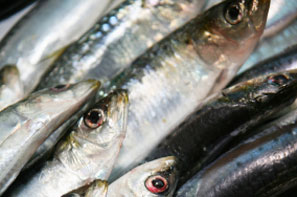
    fish6. Inflammatory conditions like asthma, eczema or skin disorders can flare up. Its important to keep your levels of omega 3 up – either by eating salmon, mackeral, herring or sardines three times a week or take flaxseed oil if you are vegetarian.

    7. A glass of red wine every night is not going to do you any harm but try not to depend on alcohol to relax you and find another way like yoga or meditation.

    8. If you are craving chocolate, avoid all refined products and go for organic or 70% dark chocolate and have a few squares after a meal instead of a pudding.

    9. Foods that will calm you down include: dark leafy vegetables like watercress, kale, broccoli, spinach along with brown rice, almonds and walnuts, wheatgerm and sardines to top up on calcium and magnesium. To boost GABA formation include cheddar cheese, cow’s milk, chicken, turkey and eggs in your diet. For dopamine add in a few soya products like tofu, miso and soya yoghurt with peanuts, almonds and tuna.

    10. Eat every three hours throughout the day. So if you have breakfast at 7am, snack at 10am, lunch at 1pm, snack at 4pm, supper at 7pm and if needed another snack at 10pm. Foods high in trytophan might help you fall asleep – these include turkey and lettuce, oats, bananas, milk, yoghurt and cottage cheese.