



LinkedIn Substack
 

Search Blog Posts

Weight loss without the the ‘d’ word (diet!)

(From an article featured on my monthly newsletter – click here to sign up for regular updates)

Our relationship with food is one of the most significant we will have in our lives and what we eat every day can have a huge impact on our weight, health and mood. We all eat and choose different foods for different reasons. For some its routine, some comfort eat in times of stress or don’t eat at all while others crave sugar, salt or carbohydrate. Some don’t eat enough and others too much. Let’s look at two key areas of our relationship with food: why we are more attracted to certain foods, and how portion control has changed the way we eat.

Why do we crave certain foods?

Your feelings are generated by tiny brain chemicals called neurotransmitters; these include dopamine, serotonin and adrenaline. These neurotransmitters are responsible for dictating your mood and are greatly affected by what you eat. Serotonin is associated with a reduction in stress, tension and feelings of happiness, whereas dopamine and adrenaline have different mood effects by boosting concentration and alertness. In times of stress many of us crave chips, cheese or chocolate. As some foods directly stimulate a neurotransmitter response, e.g. carbohydrates influence serotonin production and caffeine stimulates adrenaline synthesis, we can begin to understand why the idea of a portion of cheesy chips is so tempting! Two other neurotransmitters are: GABA, which restores calm after a stressful event, and dopamine, which enables your body to deal with stress more efficiently, helping to reduce feelings of anxiety – these are also extremely helpful and can be found in food.

GABA is found in cheddar cheese, cows milk, chicken, turkey, eggs, flour and potatoes.

Dopamine is found in soya products like tofu, miso and soya yoghurt, peanuts almonds and tuna.

Serotonin is important to maintain feelings of happiness and positivity. It’s formed from the amino acid tryptophan, which is an essential amino acid – this means it can’t be made in the body and has to be sourced from food. This is where carbohydrate comes into play – it is used to make serotonin. One of the symptoms of a low carbohydrate diet is irritability and anxiety. To raise your serotonin levels naturally you will need to increase foods rich in tryptophan, e.g. cashew nuts, bananas, figs, cheese, milk and turkey. Avocados, lentils and bananas all contain levels of vitamin B6 which help with the conversion of tryptophan into serotonin.

What about chocolate?

Most palatable foods stimulate an endorphin release in the brain, however there is something rather special going on with chocolate. Chocolate is full of mood-enhancing chemicals. To start with, it is loaded with sugar, which is a carbohydrate and triggers the release of serotonin. Chocolate also contains fat, which in itself provides a feeling of satisfaction since it answers the urge for calories. Chocolate is also said to have the same mood-enhancing chemical that is found in marijuana, although in much smaller quantities. Chocolate also contains caffeine and sugar, which both give you a little energy high after eating and make you feel good. However, neither are actually addictive in the true sense of the word. It does contain ‘anandamide’, a cannabinoid, which hooks up to the same brain receptors that catch similar ingredients in marijuana smoke. So can you be a chocoholic? You usually crave chocolate when you are low in mood or blood sugar, and women crave it premenstrually. You are probably attracted to how it makes you feel. If you have a sugar ‘addiction’, at least change the quality of your chocolate to an organic, dark form if possible and let it melt on the tongue slowly.

Portion control

As waist lines expand, portion control has gone out of the window and I doubt many people know what a normal portion size is any more. Everything seems to be larger and super sized. A good example of this is chocolate bars and crisps. Did you know that a normal bag of crisps in the 1980s weighed 25g, it’s now 50g. Does that mean that you will eat half the 50g bag – of course you won’t! The 50g bag then becomes the norm and our point of view becomes distorted. Scones used to weigh about 50g and had about 160 calories – in a high street coffee shop they can now weigh as much as 190g and can contain 600 calories! All without us noticing. It only takes a few hundred extra calories eaten here and there over a typical day to gradually build up and trigger a gain in weight.

Hidden calories

As I go through my client’s food diaries, it’s amazing how much hidden fat and sugar they are eating without knowing it, and when it’s written down over a week they are amazed how much excess they are eating without knowing. If you are struggling with your weight, have a look at these main culprits and ask yourself – are they slipping into your diet without you noticing?

Wine: A glass of wine can be 150-200 kcals per glass, depending on how large the glass is of course. Going out with your friends for a few drinks every night and having three glasses of wine would total 600 extra calories a night, an eye watering 4,200 extra kcals per week!

Sandwich fillings: If you didn’t see the Dispatches programme recently about what goes into bought sandwiches, it was an eye opener. Bought sandwiches are often very high in fat or salt and making your own is the best option. Try and keep the ratio of protein, i.e. the filling greater than the bread. Also the addition of mayonnaise can add hundreds of calories to a sandwich. A bought tuna mayo sandwich could contain as much as 500 calories. A homemade turkey and avocado sandwich on wholemeal bread may contain as little as 300 calories.

Lattes: Women who pick up a coffee on their way to work could be consuming almost a third of their recommended daily calories in one go. Increasingly sophisticated coffees and larger cups mean chains are regularly selling drinks that contain well over 600 calories each. A well-known high street coffee chain sells a large white chocolate mocha with “whip” made with whole milk – it has 628 calories – nearly a third of the recommended daily amount for women. So if you are addicted to your daily mocha chocca latte, take note. “I only have one a day,” I hear you say defensively – well, on a weekly basis that could add up to a staggering 3,500 kcals – that’s well over one day’s calorie intake for women.

Dried fruit: If you are wanting to lose weight, I don’t consider dried fruit a healthy snack as it’s very high in sugar. Dried fruit should be soaked or eaten in minimal quantities. It is a high GI food, therefore not good for the blood sugar – normal fruit like apples, pears, peaches and berries are medium and low GI. Marketed as a healthy snack, you may eat much more of course, and a packet of dried apricots will have your blood sugar soaring.

Smoothies: There has been a lot of marketing hype recently about how smoothies are good for you and can be an easy way to have your Five a Day, but they can have as much as 11g of sugar per 100ml. Be sensible – if it tastes sweet, it is sweet. Having a daily smoothie is not good at all, sugar-wise you might as well be drinking a coca cola. If you really like your smoothies, limit them to two a week.

Flavoured crisps: Avoid crisps with flavours like sweet chilli as most companies will add sugar to any flavoured crisp; that may include salt and vinegar and black pepper as well. Stick to ingredients that say potato, sunflower and salt.

When trying to lose weight, bear in mind:

* No two people are the same as to what works
* The foods you crave are usually the ones to avoid
* Don’t go on a fad diet, i.e. starvation or shake diet – it’s not the way to go for long term weight loss
* Avoid low fat diets – these are not healthy – certain fat is good for you and actually helps you lose weight

In a recent survey, 9 out of 10 people said that if they were dieting they would cut out fat from their diet. The truth, however, is that low fat diets are not always healthy and do not necessarily help you lose weight. Although a diet high in saturated fat is not good either, we tend to put good and bad fat into the same mould. One calorie of saturated fat is not the same as one calorie of essential fat, which is needed by the brain, immune system, skin, hormones and heart. Crash dieting makes you hungry and the most important thing to remember when losing weight is to never go hungry. Starving yourself does not help you lose weight but causes your metabolism to go haywire and in the end can lead to the addictive patterns of yo yo dieting. As every person is individual a tailored weight loss programme is best – just because your friend has lost a stone on a fad diet, doesn’t mean that you will. You might have:

Different genes, hereditary illnesses, differing metabolic rates, nutritional deficiencies, food allergies, bad digestion, an under-active thyroid, specific medication needs, different motivational needs, work or family issues…

all of which will not help your weight loss. Remember we are all different and what works for one person will not necessarily work for someone else. People with an under-active thyroid will find it harder to lose weight so it’s important you know your thyroid is functioning before starting a weight loss programme.

An example of a day’s diet

Breakfast: Two scrambled eggs on wholemeal toast – rooibosh tea
Mid morning snack: Two apples and a handful of nuts – water
Lunch: Wholemeal pita stuffed with cold chicken, peppers, spring onion and lettuce. Fruit or a few square of organic chocolate
Mid afternoon snack: 2 oatcakes with hummus – water
Supper: Grilled/poached salmon, steamed vegetables and sauté potatoes.

Does this sound like a diet to you? No of course not – some of you are used to starving yourself, having a carbohydrate-based breakfast, a couple of coffees, and going long periods with not eating!

If you would like an individualised weight loss programme please call me. If you have been yo yo dieting all your life you will need to be de-brainwashed about the facts on losing weight and what is suitable for you. The key is to never think you are dieting. I’ve never put anyone on a diet and usually with a low to medium GI diet people lose about 4-6lbs per month eating five times a day.

Tips for losing weight

* Eat every three hours
* Eat protein and carbohydrate together
* Eat low to medium GI food

If you follow the above, you will automatically cut out high sugar foods

* Cut out all caffeine, and refined foods
* Drink approx 1.5 to 2 litres of water per day
* If you have an under-active thyroid you will need more exercise to boost your metabolism
* Have protein for breakfast rather than carbohydrate.

If you can remember one thing when losing weight it’s this:
IT’S NOT HOW MUCH YOU EAT, IT’S WHAT YOU EAT.

Why is the thyroid gland important?
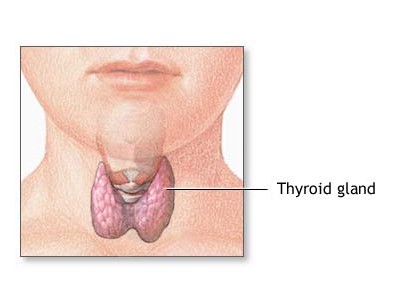
The thyroid gland lies in front of the neck between the skin and the voice box. The entire gland weighs less than an ounce. Despite its small size, it’s an extremely important organ which controls our metabolism and is responsible for the normal working of every cell in the body. It achieves this by making the hormones thyroxine (t4), and triiodothyronine (T3) and secreting them into the bloodstream. In healthy people the amounts of T3 and T4 in the blood are maintained within narrow limits by TSH which is secreted by the anterior pituitary gland. If your GP suspects that you may have an under-active thyroid they will send you for a blood test. High levels of TSH means you have an under active thyroid. You will then need to go on thyroxine. The typical (but not necessarily accurate) type of person to get this is female, fat and over forty.

However, that is too specific. I’ve seen many underweight people who have under-active thyroids in their late 20s and 30s. If you are having trouble losing weight, feel the cold a lot and feel tired, it’s worth getting your GP to get a test. I have listed most of the other symptoms below. Unfortunately the thyroid blood test is notoriously unreliable as the thyroid secretions change quite a bit, so you might need several tests to get a positive result. If your blood tests come out positive your GP will usually leave it a month or two and do another one just to make sure. You are measuring your TSH level and often you can be borderline and then normal several months later. It is often hereditary, and particularly so in women.

What are the symptoms of an under-active thyroid?

* Cold hands and feet
* Tendency to feel the cold
* Fatigue, especially in the morning
* Depression
* Dry skin
* Headaches
* Constipation
* Loss of hair
* Aching in the joints
* Muscle cramps in the feet at night
* Swollen eyelids (especially in the morning)
* Swelling of hands and feel
* Heavy periods
* Loss of libido

Diet considerations for hypothyroidism

Your diet should include apricots, dates, egg yolks, molasses, parsley, potatoes, prunes, raw seeds and whole grains. Eat fish and chicken.

Eat in moderation (they can suppress the thyroid function): broccoli, brussels sprouts, cabbage, kale, mustard, greens, peaches, pears, radishes, spinach and turnips.

Avoid white sugar and refined foods

If you are not doing so already, begin a moderate exercise regime to boost your metabolism.

Do not take sulphur drugs or antihistamines unless specifically directed by your GP.

Avoid fluoride and chlorine which both block iodine receptors in the thyroid gland, i.e. avoid fluoride toothpaste and highly chlorinated water.

An under-active thyroid may increase your risk of a heart attack, so take nutritional steps to make sure your heart is healthy.

Exercise can help the thyroid to work more effectively.

Eat zinc-rich foods such as almonds, tofu, chicken, turkey and pumpkin seeds.

Hand washing

Are you all washing your hands?!! I counted how many times I scrubbed my mitts over the weekend – 15 times (I obviously have nothing better to do with my time). I was rushing about all the over the place though so thought it a good idea. I’m now indulging in some Neil’s Yard geranium and orange moisturiser! Much needed.

Really alternative

Carrying on from the alternative theme – this is a great youtube clip of a man aged nearly 80 yrs old who hasnt eaten or drunk anything since he was a teenager. He seems to get his nutrients from sunlight which until now has only be done by plants. He has been monitored and tested in a hospital and he is in great shape!! Take a look at

http://www.youtube.com/user/EvoKitty#p/a/f/1/ewoDVPCLnt0

Alternative therapies

I read with interest the article about GP’s top ten list of useless therapies used by celebrities. To a certain agree celebrity endorsement with anything is a tricky subject. As many youngsters look to their sporting/film heroes and heroines for inspiration they do need to show some moral responsibility to what they put their name to. The GP’s list included:

Colonics
Aromatherapy
Detoxing
Vitamin B12 injections
Overnight stay in health farms
Cupping
Food intolerance tests
Macrobiotic diets

I’ve no idea what cupping is and wouldnt pay for it nor to have hot stones put on my back – in my humble opinion a total waste of money. I would also agree with detoxing (just cut out alcohol, caffeine and white sugar to give your body a break) and also food intolerance testing (I will write in more in detail about these tests later). The problem is they can show up what you eat a lot of, and not necessarily what you are intolerant too.

However I’m not sure why Vitamin B12 injections and colonics were in this list. I have vitamin B12 injections every three months otherwise I get ill. I dont have pernicious anaemia but for some reason my body doesnt absorb it. The reference ranges for B12 are not consistent from county to county and can range from 150-1000 to 163-990. As long as you are within these parameters you are deemed healthy. I think its important for those of us who dont eat red meat or offal to have a healthy B12 reading mid range of these references ie 500-600. I often get patients seeing me with readings of 160 being told there are fine and in the reference range when they are turning a horrid shade of yellow and have all the symptoms of B12 anemia (which if you are asking are numerous; ranging from anxiety, fatigue, pins and needles etc).

The “evidence” that colonics help people is what is pouring down the tube!! I had a lady see me years ago who hadnt had a bowel movement in three months. Enemas had not worked and laxatives didnt either. The only thing that saved her was a series of colonics (colonics are really just a massive enema only using water and getting to the upper part of the bowel). The “evidence” and I wont go into gruesome detail was that she was on the loo afterwards for three hours.

With aromatherapy I dont think there needs to be evidence – its indiviually based evidence that counts. it relaxes people, sometimes seriously ill cancer patients – anything that relaxes you and de-stresses you has to be good for the whole of your body.

Going to stay at a spa or a health farm – well I’m not sure again there needs to be evidence about that either. We could bunch the annual holiday in there as well. If it gives you a break from the kids/the stressful job, its got to be a good thing. Feeling pampered and stress free is great for the immune system.

I did have a chuckle because whatever therapies madonna or the like have, they look great dont they? I’m wondering how much energy and vitality those GP’s have and could they keep up with a 50 yr old who is still touring! Its the running, weights yoga, macrobiotic diet, and the all rest that keeps her in the shape she is in – surely a good advertisement.

The continued myth about dieting

I have weeks were I seem to get more clients with one particular problem. Last year it was gout! and bowel problems everywhere I turned! These last few months I’m back on the trail of people wanting to lose weight. Weight loss is not my biggest crowd believe it or not but in they came recently. I am still amazed at how many people are yo yo dieting, drinking shakes and actually still believe in the word “diet”.

Let’s all do something positive and ditch the word “diet” when used in terms of weight loss. It doesnt get anyone anywhere.

Weight loss comes about my looking into an individuals medical history and particular traits, needs etc. No two people will lose weight the same. Some are fast metabolisers, some are not. Let’s also remember “its not how much you eat, its WHAT you are eating” that is so important and people are still missing this crucial point.

On average people who see me lose about 4-6lbs a month continually without ever having to diet- in fact I think its a psychological necessity to send people home thinking they are NOT dieting at all. Just eating… good food… little and often… cutting out certain things that are not suitable for the individual.

Telling people to exercise more and eat less is way to simple. It doesnt always work like that – for example supposing someone has a food allergy or an underactive thyroid, they could diet for months and still not lose weight – the fundementals have to be in place beforehand.

Tesco in Meads

After years of fighting against Tesco moving into our village, we lost the fight earlier this year. They plan to move in before 2010. Our lovely community based on individual retailers (we have a butcher, a greengrocers, a co-op, a florist, a bookshop) will be threatened. Some of my friends who shopped at Tesco before are so disgusted by what they have done that they have boycotted the store. I have never been in, and never intend to. Their record on animal welfare and other serious issues is not good. Trying to fight against these huge companies is like david and goliath. Sometimes people win, and sometimes sadly as we have done, we lose. There is a sense of being powerless and many of the decisions have been made years before people in the community get to hear about it. Do you want one in every three of your pounds going to Tesco? I get a sense of satisfaction when I’ve shopped locally – I can see who my money is going to pretty much infront of me – how great is that!!

Hype

I’m not a fan of hype in any form – particularly whipping up fear in the public. I was talking to a sister at the DGH in Eastbourne the other day as I was told that the hospital was full and people were being transferred to Hastings. I assumed that it was because of the flu. I was completely wrong. There were one or two cases of young adults being treated but no one had been seriously ill or had complications and not many people had stayed overnight for the H1N1 virus. What was happening was the usual bouts of flu at this time of the year and also the usual bed blocking where elderly people can’t be released as they have nowhere to go. She told me she would not take the vaccine, nor would many others on the staff.

If we turn our attentions to the US, we see the President has just declared an H1N1 pandemic. Yet, and this is the crux of my point, the American people are being told that 1,000 people have died from H1N1 flu. However the CDC (Centre for Disease Control) who have up to date figures of deaths/diseases etc. cannot match that figure at all. So the 1,000 people is a figure plucked out of nowhere. On the CDC website recent figures for deaths from influenza are lower and they do not include H1N1. So something somewhere is not quite right.

Getting back to hype. I like to think we are intelligent enough to ignore much of the blown up nonsense we read in the papers.

Dispatches on cereals, probiotics, and sugar

The wonderful Dispatches on Channel 4 last night put breakfast right under the spotlight. A much needed documentary into the marketing hype around breakfast cereals and probiotic drinks. As some of you are aware I drone on and on about the high sugar content in cereals and the lack of scientific research into probiotic drinks. Many of my patients have thought that sitting down to cereal each morning was a good thing, but the high sugar content even in adults can have a roller coaster effect on the blood sugar – and we don’t want that in children either. Always READ THE LABELS. Even the plainest looking cereals can be packed full of glucose-fructose syrup. A protein based breakfast like scrambled eggs on toast or good old fashioned oats, or fruit and live yoghurt is a good way to start the day. As for probiotic drinks, I think they are a total waste of money. Real probiotics and prebiotics come from a good diet, live yoghurt, garlic, onions, leeks etc and if you feel you need a supplement then see my newsletter/blog on what to buy. The probiotic drinks themselves have even more sugar in them, so many people are sitting down to a sugar based breakfast – if thats what you want – just have a bar of chocolate instead!!!

Keeping your immunity in peak condition and how to prevent getting ill in the first place

(From an article featured on my monthly newsletter – click here to sign up for regular updates)

Probiotics

When we think about immunity we often forget about our gut. Seventy per cent of the body’s immune system is in the gut, so keeping it healthy is crucial. Let’s look firstly at probiotics. Probiotics are beneficial bacteria normally present in the digestive tract. They are vital for proper digestion and also perform a number of other useful functions such as preventing the overgrowth of yeast and other pathogens, and synthesizing vitamin K. The probiotics most often used as supplements are acidophilus and bifidobacteria. Cultured fermented foods also contain various types and amounts of beneficial bacterias. These foods include buttermilk, cheese, kefir, miso, sauerkraut, tempe and yoghurt. The digestive tract is known as the gut associated immune system. Incomplete digested foods can result in immune reactions like allergies. Whether you succumb to infections is also linked by your balance of gut flora. Probiotics produce substances which stop harmful bacteria growing. They are nature’s antibiotics. They keep E coli, enterobacteria, staphylococci, salmonella and campylobacter at bay and help prevent food poisoning. But they don’t just stop there – probiotics give pathogenic bacteria a hard time and boost your immune system so are useful in all types of disease from cancer to allergies.

The two main types of good bacteria are acidophilus and bifidobacteria. Acidophilus has antifungal properties that help to reduce blood cholesterol levels, aid digestion and enhance the absorption of nutrients. The flora in a healthy gut should consist of at least 85 per cent lactobacilli and 15 percent coli form bacteria. However, the typical colon bacteria count is usually the reverse. This can result in gas, bloating intestinal and systemic toxicity, constipation and malabsorption of nutrients.

Taking supplements help to combat all of these problems by reintroducing the intestinal flora for a healthier balance. There are many good acidophilus supplements available. Acidophilus products come in tablet, capsule and powered forms. Non dairy formulas are best for those who have dairy intolerance. Acidophilus can die at high temperatures. Keep it in a cood dry place, refrigerate it but don’t freeze it.

Bifidobacteria aid in the synthesis of the B vitamins by creating healthy intestinal flora. These are the predominant organisms in the intestinal flora and establish a healthy environment for the manufacture of the B complex vitamins. When you take antibiotics, the friendly bacteria in your digestive tract are destroyed along with the harmful bacteria. Supplementing your diet can help you maintain a healthy intestinal flora. Unhealthy flora can result in the liberation of abnormally high levels of ammonia as protein containing foods are digested. This irritates the intestinal membranes and in addition the ammonia is absorbed in the blood stream and must be detoxified by the liver or it can cause nausea, a decrease in appetite, vomiting and other toxic reactions. By promoting the proper digestion of foods the friendly bacteria also aid in preventing digestive disorders such as constipation and gas as well as food allergies. If digestion is poor, the activity of intestinal bacteria on undigested food may lead to excessive production of the body chemical histamine which triggers allergic symptoms. So in the coming months if you feel your immunity is low, it is worth taking a daily probiotic supplement. As some of you know I’m not a fan of the probiotic drinks, as they are expensive and the levels of good bacteria in them are low. For those sensitive to dairy foods, they are not suitable and they contain sugar. Eating a diet high in probiotic foods will serve you just as well and these include: leeks, onions, garlic, shallots, asparagus, artichokes, fruit and vegetables and a high soluble fibre diet encourages the right bacteria.

Vitamin D

As the cold and flu season approaches, Vitamin D’s benefits on the immune system function are more important than ever. Medical research shows that maintaining high levels of Vitamin D is one of the best things people can do to help fight off colds and flu. It plays a major role in supporting immune function and is known to be an effective agent against inflammation, which is typically caused by flu and other respiratory viruses. By helping modulate the body’s response to respiratory viruses, it helps prevent dangerous and even fatal build up of fluid in the lungs. Though as yet there is no clinical evidence that supplemental Vitamin D can be considered a flu preventative or treatment, there is ample evidence that low levels of the vitamin are associated with higher incidence of a wide range of serious illnesses, including respiratory infections. In addition, numerous studies have shown that people with high levels of the vitamin appear to be less likely to contract flu and other respiratory viruses. Long recognised as important to bone health and strength, Vitamin D has recently been identified as crucial to almost all aspects of health. Deficiency has been recognised as a global health problem, and has been implicated as a factor in a host of illnesses and disorders including cancer, heart disease, hypertension, diabetes, osteoarthritis and osteoporosis. In addition, low levels of the vitamin have been associated with depression, chronic pain, birth defects, and periodontal disease. Because sun exposure is necessary to stimulate the body’s production of the vitamin, some researchers speculate that the indoor lifestyle and weaker UV rays of winter weather make the traditional cold and flu season even more of a challenge. There are relatively few dietary sources of the vitamin, so without adequate sun exposure deficiency is very common. The Food and Nutrition Board at the Institute of Medicine of The National Academies, responsible for establishing Recommended Dietary Allowances of various nutrients, set an RDA of 200 mgs of Vitamin D per day. That recommendation has been questioned as being insufficient, and in 2008 the American Association of Paediatrics announced a new recommendation that literally doubled the existing RDA to 400 IU per day. The AAP recommends that supplementation begin in the first two days after birth.

Our bodies make natural antibiotics called anti microbial peptides and it is thought that vitamin D increases the production of these. Is it then just coincidence that there are fewer bugs around in the summer than in the winter? Children with rickets (lack of vitamin D) often have more infections. It was first thought that this was due to weakened bones but its more probably down to a lack of vitamin D. Vitamin D is found in fish liver oils, butter, cod liver oil, egg yolks, halibut, liver, milk, oats, salmon, sardines, sweet potatoes, tuna and vegetables oil. Vitamin D is also made by the body in response to the action of sunlight on the skin. Herbs that contain vitamin D include alfalfa, horsetail nettle and parsley. Any intestinal disorders and liver and gallbladder malfunctions can interfere with the absorption of vitamin D and also some cholesterol lowering drugs, antacids, mineral oils and steroid hormones can also interfere with the absorption. The message here is get out in the sunlight, particularly in winter, as much as possible.

Garlic

I could write a thesis on garlic – it’s my favourite natural food supplement. To me garlic is one of the most valuable foods on the planet. It has been used since biblical times and has a mention in the literature of the ancient Hebrews and Egyptians. The builders of the pyramids supposedly ate garlic daily for endurance and strength. It is a potent immune system stimulant and a natural antibiotic. Garlic contains an amino acid derivative called alliin. When converted to allicin, garlic has an antibiotic effect that exerts an antibacterial effect estimated to equivalent 1 percent of penicillin. Because of its antibiotic properties garlic was used to treat wounds and infection and to prevent gangrene during the first world war. There is also some evidence that it can destroy certain viruses. If you can’t cope with it raw, roasted and stir fried you can take Aged Kyolic Garlic from Quest. The versatility of garlic is amazing: it has antioxidant properties; the sulphur and hydrogen compounds in garlic are potent chelators of toxic heavy metals binding them so they can be excreted. These same compounds are effective protectors against oxidation and free radical damage. Garlic aids in the detoxification of peroxides such as hydrogen peroxide and helps to prevent fats from being oxidised and deposited in the tissues and arteries. Studies on aged garlic extract (AGE) have shown that the aging process boosts the antioxidant potential. AGE protects against DNA damage, keeps blood vessels healthy, and guards against radiation and sunlight damage. If you’re worried about garlic choose an odourless form, like AGE or try chewing parsley.

Vitamin C

Vitamin C is an antioxidant that is required for at least three metabolic functions in the body including; tissue growth, repair of adrenal gland function and healthy gums. It also aids in the production of anti stress hormones and interferon. Studies have shown that taking vitamin C can recede symptoms of asthma and it protects against the harmful effects of pollution, helps to prevent cancer, protects against infection and enhances immunity. Vitamin C increases the absorption of iron, so they are often taken together. As we are unable to make it ourselves, it must be obtained through the diet or in the form of a supplement. Alcohol, analgesics, antidepressants, oral contraceptives and steroids may reduce the levels of vitamin C in the body but smoking causes a serious depletion of this vitamin, more so than anything else. Be careful taking large amounts of ascorbic acid as this can lead to stomach irritation – trying taking non ascorbate acid e.g. magnesium or calcium ascorbate. I’ve never found personally or professionally that vitamin C stops a cold or flu but certainly it’s worth taking 1g daily in the flu and cold season to boost the immune system.

Hygiene

One of the most important factors in preventing flu and colds is hygiene. Contrary to popular belief, viruses are not usually airborne. The two main ways they spread are: firstly, if someone who is infected sneezes or coughs and you come in contact with the virus in the air; and secondly, if you touch an object which may have the virus and you then touch your eyes, mouth or nose. I don’t want you all becoming OCD about hand washing(!) but washing your hands thoroughly can reduce your likelihood of catching viruses by a whopping 35%. It’s common for people to touch their nose, eyes and mouth. Most of these actions are sub-conscious, like licking your tongue for flipping pages of a book or a magazine. As soon as you feel an itch you immediately rub or scratch your eyes. Remember the virus can be anywhere – a door knob, a remote control, phones, computer keyboards, etc. All you need to do is keep washing your hands with soap and water frequently. And most importantly, stop touching your face. Try and wash your hands before handling food and eating, putting on contact lenses, going to the loo, blowing your nose, or coughing and sneezing, touching animals, handling rubbish, smoking, changing nappies and door handles, going into hospital or visiting sick or injured people.

Echinacea

Otherwise known as purple coneflower, this herb has amazing properties. Cells are glued together with the help of hyaluronic acid. Bad bacteria like staphylococci and streptococci produce hyaluronidase which dissolves the “glue” allowing the bacteria to get in to the cell membrane. Echinacea has an active constituent with neutralises the hyaluronidase and stops the bacteria from spreading, leaving the white blood cells to deal with the infection locally. Cell membranes have receptor sites to which viruses attach themselves and each have molecules which block the receptor sites so that viruses cannot become attached. It will also increase the activity of the immune system by activating the coding of T cells. Generally it fights inflammation and bacterial and viral infection and stimulates certain white blood cells. Echinacea is good for the immune system, colic, colds, flu and infectious illnesses. It should not be taken for long periods of time with people with autoimmune disorders, and it’s best not to take it all year round, but now is an excellent time of year to start. Some of my patients swear by it and say they never get ill during the winter. You can buy it in a tincture in drops or in tablets. I prefer the tincture as it’s more potent.

Before you get the flu, general symptoms of an impaired immune system include fatigue, repeated infections, inflammation, allergic reactions, oral thrush and slow wound healing. It is estimated that a healthy adult will catch on average two colds per year – people who have more colds and infections are likely to have some problem with their immune function.

Drawing the line on obesity

As I’m sure you have read in the news, the children of an obese couple have been taken away by social services. We dont know exactly why and there may be more to this story than meets the eye, but at the moment it looks as though they have been taken away for their protection due to the fact that the entire family is overweight. Since when was it child abuse to have overweight children? If this is the case, and there are no other reasons, then it is not up to the state to intervene on how you bring up your children. Obviously we do not want a new generation of obese children turning into obese adults – thats a no brainer. However there are ways of helping and supporting famlies with weight loss programmes and motivation without taking their children into care. I would be interested in your thoughts on this matter.

« Previous PageNext Page »