




Kate Arnold Nutrition

Search Blog Posts
Let’s talk about sex and chocolate – February newsletter
 We are not that great at preventative measures in this country – and this is true when it comes to our health – particularly our fertility. We spend so much of our lives trying not to get pregnant, it’s natural to think that conceiving is a piece of cake! More often than not it can become an emotional and painful struggle to be parents. To think that we can conceive instantly whilst smoking, drinking and eating junk food, is I feel, a little pre-emptive. If you think about it rationally it makes total sense to get your body as fit and healthy as it can be before you start trying for a baby. This months newsletter is devoted to boosting our chances of conceiving with the right nutrients and as its Valentines Day next week, I’ve thrown in the health benefits of eating chocolate as well! Enjoy!
Infertility stats and figures
It is estimated that one in six couples have difficulty conceiving – thats approximately 3.5 million people in the UK. Although many will become pregnant naturally given time, a significant minority will not. The NICE guidelines define infertility as failing to get pregnant after two years of regular unprotected sex, although many couples will seek help after a year. Most fertility treatment takes place between the womans age of 30-39 yrs old. With 40% of the infertility with the man, 40% with the woman and 20% with a joint problem, the figures are divided equally. There were over 60,000 babies born through IVF in 2010 in Europe. In the UK alone the figures have risen from 14,056 in 1992 to 36,648 in 2007 and figures are set to keep rising. So getting you and your partners body in tip top shape makes total sense when it comes to conception. There is so much you can do with good nutrition and concentrating on certain vitamins and minerals to boost your chances of having a child.
Let’s talk about Zinc
For a woman what you do in the month leading up to conception is critical. If you think you men are off the hook, think again – it can take up to four months to make new sperm from scratch! The speed of conception also varies and may depend on physical, psychological, nutritional and environmental impact. So what can you do? Let’s start with Zinc which is vital for reproductive health.The olds wives tale of eating oysters as an aphrodisiac has some merit as they are high in zinc.
Infertility and low sex drive have been linked to inadequate amounts of zinc. Together with vitamin B6 this mineral effects every part of the female cycle. LHRH (luteinising hormone releasing hormone) causes your pituitary gland to stimulate the development of an egg that causes ovulation. A low level of zinc has been proven to cause lower levels of LHRH so your fertility may decrease. Adequate levels of zinc and vitamin B6 can also increase your desire for sex and thats got to be good news all around!. Zinc is the most researched mineral when it comes to sexual health and the good news is that you can easily get it tested. If your levels are low and your diet is poor, it may be worth taking a zinc supplement with at least 15mg zinc on a daily basis for up to six months before you start trying to conceive.
Kate’s Top Tips for Women
1) Limit alcohol, stop tobacco and avoid coffee.
2) Supplement folic acid before and during pregnancy.
3) Eat little and often to balance your blood sugar.
4) Address any stress and try to learn to relax – this is very important. Conception is higher during holiday time!
5) Make sure both you and your partner have low homocysteine.
6) Check for chlamydia and any other sexually transmitted diseases.
7) Come off the pill at least three months before trying to conceive.
Nutrients for Women
Most women now know to take 400mcg of folic acid daily before and during pregnancy, to prevent spina bfidia. However folic acid also lowers your homocysteine levels which can damage the placenta if you have too much in your blood. A high homocysteine level has been associated with infertility, pregnancy problems and birth defects. It can be tested for – however it is not readily available on the NHS. If you would like this tested please contact me on 01323 737814. Other vital nutrients are zinc and vitamin B6 which work in every part of the female sexual cycle, and help produce adequate levels of sex hormones. They also increase the desire for sex! Zinc can be found in: oysters, lamb, nuts, egg yolks, rye and oats. Vitamin B6 can be found in: cauliflower, watercress, bananas and broccoli, muesli, sunflower seeds and lentils. You need approximately 15mg zinc and 60mg vitamin B6 daily.
Omega 3 is also important for healthy hormone functioning, so try to have a portion of oily fish two to three times per week. Other Essential Fatty Acids can be found in hemp, flax, soybeans, walnuts, seaweed, sunflowers seeds, sesame seeds, almonds, evening primrose oil and free range eggs. It is also a good idea to keep levels of antioxidants up to combat free radical damage – this is particularly suggested if you have been a smoker or heavy drinker. Vitamin A – found in carrots, sweet potatoes, dried apricots, squash and watercress (do not supplement vitamin A during pregnancy). Vitamin C – found in green vegetables, peppers, kiwi fruit, tomatoes, citrus fruits and berries. Vitamin E – found in nuts, seeds, oily fish, avocadoes, beans and sweet potatoes. Selenium – found in brazil nuts, sesame seeds, tuna, cabbage and whole grains.
Kate’s Top Tips for Men
Today 90% of male infertility is due to a low sperm count. We know that smoking reduces sperm concentration by a staggering 24% while alcohol is toxic to the male reproductive tract and can cause significant deterioration in the sperm quality. With heavy drinkers this can lead to complete infertility. In the last 50 years the quality of sperm has dramatically reduced and this can be due to many factors, including pollution, unhealthy lifestyle, stress and poor nutrition.
For good quality sperm
1) limit alcohol intake
2) no smoking
3) address stress levels
4) avoid caffeine
5) beware of too many grooming products, and job related chemicals i.e. dyes, solvents/ weed killers in your environment
6) check for possible sexual infections and chlamydia
7) take a high quality multivitamin with at least 10-15mg zinc per tablet
Nutrients for Men
Zinc is the best researched nutrient with regards to sexual health. A lack of zinc can cause infertility and damage to the testes. It is found in high concentrations in the sex glands and also in the sperm itself. As much as 1.4mg of zinc is lost with each ejaculation! In the 19th century some men were diagnosed as having masturbation insanity. Although this was a myth we now know how important zinc is in mental health. Zinc is found in oysters, lamb, nuts, pumpkin seeds, egg yolks, rye and oats and works with vitamin B6 found in cauliflower, watercress, bananas and broccoli. Vitamin C may safeguard sperm from damage and Essential fatty acids are important for making prostaglandins – these can be found in nuts, seeds and oily fish.
NB: When trying to get pregnant couples in their thirties should be aiming to have sex at least two to three times a week, for up to a year before seeking any further help. So do not panic if it does not happen straight away!
 The wonders of chocolate!
As its Valentines day next week, I couldn’t not talk about chocolate in all its glory! Chocolate is made from plants, which means it contains many of the health benefits of dark vegetables. These benefits are from flavonoids, which act as antioxidants. Antioxidants protect the body from aging caused by free radicals, which can cause damage that leads to heart disease. Dark chocolate contains a large number of antioxidants (nearly eight times the number found in strawberries). Here are some facts about chocolate:
Chocolate comes from the Aztec ‘cacahuatl’ or ‘xocolatl’ meaning ‘bitter water’.
The word ‘cocoa’ was the result of the misspelling of ‘cacao’.
A cocoa pod contains around 40 to 45 cocoa beans.
It takes from 135 to 270 cocoa beans to make 500g of chocolate.
The amount caffeine in chocolate is relatively small. There are about 5 to 10 milligrams of caffeine in 28g of dark chocolate, 5 milligrams in milk chocolate, and 10 milligrams in a 170g cup of cocoa. A 225g cup of coffee has 100 to 150 milligrams of caffeine.
It has been reported that Napoleon carried chocolate with him, and always ate some when he needed a quick energy boost.
Chocolate has over 500 individual flavour components. Strawberry and vanilla each have less than half that much.
98% of the world’s cocoa is produced by just 15 countries.
Cocoa butter melts at slightly below normal body temperature, which is why chocolate will melt in your mouth.
Does chocolate have any health benefits?
Dark chocolate can be good for your heart. A small bar of it everyday may help keep your heart and cardiovascular system running well. Two heart health benefits of dark chocolate are: Lowering Blood Pressure: Studies have shown that consuming a small bar of dark chocolate everyday can reduce blood pressure in individuals with high blood pressure. Flavonoids help relax the blood pressure by the production of nitric oxide.Lowering Cholesterol: Dark chocolate has also been shown to reduce LDL cholesterol (the bad cholesterol) by up to 10 percent. Chocolate also holds benefits apart from protecting your heart: it tastes good, it stimulates endorphin production, which gives a feeling of pleasure, it contains serotonin, which acts as an anti-depressant and it contains theobromine, caffeine and other substances which are stimulants.
Isn’t chocolate high in fat?
Here is some more good news — some of the fats in chocolate do not impact your cholesterol. The fats in chocolate are 1/3 oleic acid, 1/3 stearic acid and 1/3 palmitic acid: Oleic Acid is a healthy monounsaturated fat that is also found in olive oil. Stearic Acid is a saturated fat but one which research shows has a neutral effect on cholesterol. Palmitic Acid is a saturated fat, one which raises cholesterol and heart disease risk. So, only 1/3 of the fat in dark chocolate is bad for you!
Balance the Calories
This information doesn’t mean that you should eat a pound of chocolate a day! Chocolate is still a high-calorie, high-fat food. Most of the studies done used no more than 100 grams, or about 3.5 ounces, of dark chocolate a day to get the benefits. One bar of dark chocolate has around 400 calories. If you eat half a bar of chocolate a day, you must balance those 200 calories by eating less of something else. Cut out other sweets or snacks and replace them with chocolate to keep your total calories the same.
Go for Dark Chocolate
Dark chocolate has far more antioxidants than milk or white chocolate. These other two chocolates cannot make any health claims. Dark chocolate has 65 percent (or higher) cocoa content.
Skip the Nougat
You should look for pure dark chocolate or dark chocolate with nuts, orange peel or other flavourings. Avoid anything with caramel, nougat or other fillings. These fillings are just adding sugar and fat which erase many of the benefits you get from eating the chocolate.
Avoid Milk
It may taste good but some research shows that washing your chocolate down with a glass of milk could prevent the antioxidants being absorbed or used by your body
Burger King continued
It’s been nearly a month since I called Burger King UK and asked them for the actual ingredients in their food. They directed me to their nuritional information section on their website. I told them I had read this already and it told me very little – how many calories, how much fat and whether it was gluten free. This does not tell me what is in the burger. Forget the calories for a moment and look at what exactly we are putting in our bodies and without the ingredients list.. we have no idea…. Will let you know when they get back to me – but their PR dept/Media dept could not tell me a list of ingredients – I find that rather shocking – dont you?!
Burger Kings..Smoked Bacon and Cheddar Double Angus Burger -996 calories
I’m furious (no shock there!). Burger King has a new Smoked Bacon and Cheddar Double Angus Burger – its 996 calories. You would think that would be my issue but no. Yes its half our day’s calorific intake blah blah blah we know that what we don’t know is exactly what is in the burger. So.. eas..y go to www.burgerking.co.uk and click on their nutritional information and it gives you everything you need to know. EXCEPT IT GIVES YOU NOTHING. I know whether there is gluten or soy in the product, how much energy, fat etc is in but there are no ingredients listed for each product. So I call them, and the UK reps can’t tell me either – interesting isnt it? So you think you are eating a high calorie but fairly “clean” burger. Well I’m waiting for their head office and PR person to call me back – in the meantime take a look at a similar smoked bacon and cheddar double angus burger – the ingredients should freak you out more than the calorie intake. Check out the high fructose corn syrup which we now know is metabolised as fat.
Ingredients of similar burger:
Bun: UNBLEACHED ENRICHED WHEAT FLOUR [FLOUR, MALTED BARLEY FLOUR, NIACIN, REDUCED IRON, THIAMIN MONONITRATE (VITAMIN B1), RIBOFLAVIN (VITAMIN B2), FOLIC ACID (A B VITAMIN)], WATER, HIGH FRUCTOSE CORN SYRUP, YEAST, SOYBEAN OIL, CONTAINS 2% OR LESS OF EACH OF THE FOLLOWING: WHEAT GLUTEN, SALT, DOUGH CONDITIONERS (SODIUM STEAROYL LACTYLATE, CALCIUM STEAROYL-2-LACTYLATE, MONOGLYCERIDES, CALCIUM PEROXIDE, ETHOXYLATED MONOGLYCERIDES), SOY FLOUR, CALCIUM SULFATE, CALCIUM PROPIONATE (TO RETARD SPOILAGE), MONOCALCIUM PHOSPHATE, YEAST FOOD (AMMONIUM SULFATE)
Angus Burger: BEEF, WATER, FLAVORING, SALT
Cheese Slice: AMERICAN CHEESE (CULTURED MILK, SALT, ENZYMES, ARTIFICIAL COLOR), WATER, CREAM, SODIUM CITRATE, SALT, ARTIFICIAL COLOR, SORBIC ACID (PRESERVATIVE), SODIUM PHOSPHATE, ACETIC ACID, LECITHIN
Bacon: BACON, CURED WITH: WATER, SALT, SUGAR, SODIUM PHOSPHATES, NATURAL SMOKE FLAVOR, SODIUM ERYTHORBATE, SODIUM NITRITE
Copy of January newsletter – antibiotic resistance and probiotics
|
|||||||||||||||||||
 Intensive farming is big business. Demand outstrips supply, and with this comes not only growing produce out of season, but also in huge quantities. To achieve this often requires the use of growth hormones and antibiotics, which can cause many animals to be overdeveloped and deformed, in order to produce more milk or appear plumper. This has been highlighted in the wonderful work that Hugh Fernley Whittingstall has done with his Chicken Out Campaign and Jamie Oliver did with pig farming.
  of drugs used in human medicine, the risk of antibiotic resistance in humans is increased. This is especially threatening for people with compromised immune systems including infants, elderly people and patients with cancer, receiving chemotherapy. Antibiotic resistance in humans is a tremendous public health threat on a worldwide



 |


Whats in my basket (again!)
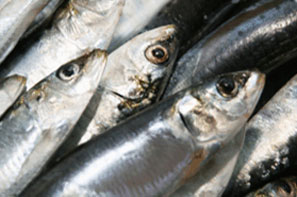 As you may have seen there are a number of vintage youtube clips on my blog. They are favourites of mine and clearly you are loving them too – thanks so very much. One woman said “Your blog is not only educational but sometimes controverisal (but that makes me think) and very entertaining – to get all three of those elements is very clever!” Thank you lovely person for your comments. I’ve been asked again for another list of whats in my basket – I can’t believe that you are really that interested!!!
So heres this weeks shop and I havent missed anything out!
One whole fresh mackeral
Amys tinned organic vegetable and barley soup
Organic garden peas
Tins of plummed tomatoes
Wholewheat spaghetti
Fennel
Cucumber
Four chicken breasts
Lemons (loads)
Red onions
Organic carrots
Organic unsalted butter
Ginger root
Feta cheese
Organic tomatoes
Broccoli spears
Rye Bread
Fine oatcakes
Organic little gem
Organic apples
Shortbread
Large baking potatoes
@katearnoldnutrition

© 2025 Kate Arnold Nutrition
All Rights Reserved