Ingredient Overload: Store-Bought vs. Homemade
 Ingredient Overload: Store-Bought vs. Homemade
Supermarket versions of your favorite foods have an outrageous
number of additives.





Ingredient Overload: Store-Bought vs. Homemade
Supermarket versions of your favorite foods have an outrageous
number of additives.

So keeping it in the Arnold family my father and stepmother finished their 5 weeks of 5:2 intermittent fasting. For those of you who have been living under a rock for the last few months, this is the new anti ageing diet that may hold back the years. Outlined by Dr Michael Mosley in Eat, Fast Live Longer on BBC2 a few months ago, it sets out to see if by fasting we can reverse some of our ageing markers. On top of the personal success for Michael Mosley came weight loss. Two days later I was visiting my father and he had already got his 5:2 regime pencilled into his diary on the kitchen wall! During the week he ate normally, over the weekend he ate 600 calories only per day. The outcome is as follows: After a few pounds weight loss, and after 5 weeks my father has lost no weight. He’s not sure about his markers as he didn’t get them checked beforehand. My stepmother has lost 5lbs in total which is great but its clearly not for everyone. Their view was that they missed the social part of sitting down to a meal and at the weekends a glass of wine. In next months newsletter I will be looking at all kinds of dieting in detail and this new intermittent fasting.
|
||||||||||||||||||
Kate Arnold | Flat 4, 8 Milnthorpe Road | Eastbourne | East Sussex | BN20 7NN | England
|

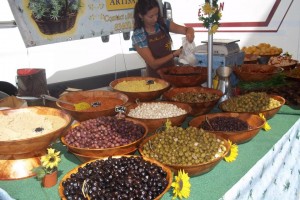
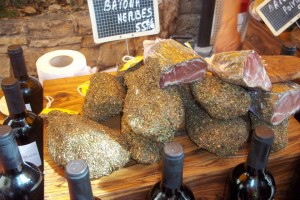
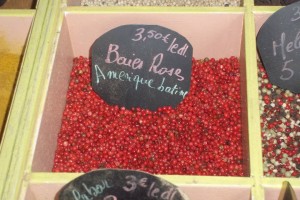
France has always been challenging for me diet wise – all that soft cheese you see – total nightmare for me. However this visit I really fell in love with the place and got to remember the fabulous markets and supermarkets with acres of fresh food. Dining out was tricky still. I think Greece suits me better as I dont eat red meat and am lactose intolerant – not easy! Here are a few pics from my recent trip.



 Welcome to my August Newsletter
When I was young we bought milk from the milkman and it was, like most households in the 1970’s, delivered on the doorstep in a red, blue or gold top. At school I drank warm creamy milk delivered in little glass bottles with a straw that had been standing in the sun all morning. Those were the days of me threatening to be sick all over the games mistress after lunch when the lactose had not particularly settled well in my lactase free digestive system! I digress. Buying milk used to be simple but not any more – cows milk, goats milk, and milk imitations all jostle for position on supermarket shelves. Whatever you do decide to buy it’s most important to choose your milk carefully, not only for your health but for how you see the future of dairy farming. The variety of products are excellent if you are vegan, lactose intolerant, have a food ‘allergy’ or believe that milk makes you ‘phlegmy’. The dairy business is a mix of industrial farming, agricultural policy and medical health interests but there is no denying that the recent growth of small scale dairy farming has led to the production of high quality milk and milk based foods. However as you know, British dairy farmers have been under intolerable financial strain for too long. With the threat of mega diaries still coming to Britain the whole future of milk production may change forever.
Bovine somatotropin (also known as bST , BST and BGH), is a peptide hormone produced by the cows pituitary gland. Like other hormones, it is produced in small quantities and is used in regulating metabolic processes. Since 1994 it has been possible to synthesize the hormone using recombinant DNA technology to create recombinant bovine somatotropin (rBST), recombinant bovine growth hormone (rBGH), or artificial growth hormone. Monsanto (yes that company again!) developed rBST and sold the business to Eli Lilly for $300 million. Bovine growth hormone is given to cows to make them mature faster and produce more milk. An extra amino acid is attached before it’s injected into dairy cows. So consider a certified organic label on a milk carton or bottle. Also, look for a brand that isn’t homogenized and comes from a small dairy in your region. This needs to be minimum requirement. After this you can choose what milk suits you best bearing in mind your individual requirements.
Goats milk
Goats milk is more robust in flavour and more expensive than cows milk. Its biggest selling point in the UK is that the milk protein (casein) is a little differen. So depending on a persons dairy ‘allergy’ or degree of lactose intolerance he or she may find it easier to digest than cows milk. Goats are not given growth hormones and their milk is naturally homogenized. Because the fat globules are smaller than the ones present in cows milk the fat doesn’t separate out.
Plant based non dairy milks
The plant based non dairy milks are now very popular. However not all plant based milks are fortified with vitamins, particularly Vitamin B12. This is especially important for vegans and vegetarians. You can make your own soy and almond milk but don’t forget that the end results won’t have the calcium and vitamins contained in an enriched commercial product. Soy foods, a cornerstone of traditional Asian diets and soy milk are almost as rich in protein as cows milk, with less fat and zero cholesterol. However there is come controversy as to how much soy you can eat without it effecting your thyroid gland or causing other digestive problems. If you are using soy milk in tea and on cereal that’s fine however I wouldn’t suggest drinking litres of the stuff! Rice milk is low in fat and fortified with vitamins and calcium and is easy to digest. Coconut milk is thinner in consistency, fortified and lower in calories. One of the biggest revivals of the way we drink milk, is raw milk. Raw milk is still quite controversial and I will outline some of the issues raised. However as always it is up to you as an individual to choose what suits you and your family best.
Whats the difference between raw milk and processed milk?
Before pasteurisation all milk was essentially ‘raw’ milk. Although there are well documented health benefits associated with drinking raw milk, there were also health risks.These included tuberculosis, brucellosis and bad bacteria such as Salmonella, E. coli and Campylobacter. When pasteurisation was introduced, it sterilised the milk of these harmful elements. It is for this reason the Food Standards Agency Health Warning “This milk has not been heat treated and may therefore contain organisms harmful to health” must be put on bottles of raw milk.
How safe is raw milk?
Before pasteurisation, raw milk had associated health risks. Tuberculosis and Brucellosis were found in many herds at the time, and these diseases could be passed on through the milk. The milking process was basic allowing contaminants into the milk that contained bad bacteria.However things have changed. In the UK, Tuberculosis and Brucellosis are virtually eliminated from all herds following an eradication programme over the last few decades. Todays herds are milked in an hygienic environment, using advanced milking equipment that is kept sterile. The milk is regularly analysed and milking plants regularly inspected to ensure that the cleanest milk is produced. In this way all the benefits of the good bacteria in the milk are kept, without having any of the problems associated with bad!
The Benefits of Raw Milk
Raw milk contains multiple, redundant systems of bioactive components that can reduce or eliminate populations of pathogenic bacteria.
Raw milk consists of important enzymes that aid in assimilating the nutrients present in milk.
Raw milk serves as one of the best sources for calcium consumption.
One of the major raw milk drinking advantages is that it contains the beneficial bacteria, which otherwise get destroyed, when the milk undergoes pasteurisation process.
The British journal The Lancet reported that resistance to tuberculosis increased in children fed raw milk instead of pasteurised.
Drinking raw milk could reduce children’s risk of suffering allergy-related conditions such as eczema and hay fever.
As an organic product raw milk often has a higher level of Omega 3.
What’s happening in Dairy farming?
You’ve probably read a bit about the problems dairy farmers are having but things got even more serious recently with the threat of factory farming. The future of British dairy farming may be about to change and not only will farmers suffer but cows will pay the price with their welfare if it does. Industrial-scale farms will feature huge numbers of animals, with little or no access to open fields, round-the-clock milking and a high risk of poorer levels of welfare.
The World Society for the Protection of Animals research shows that cows kept in factory farms are likely to suffer lameness, mastitis and an increase in diseases. Lameness is extremely painful and already the single biggest welfare problem for dairy cows affecting an average of 17 % of cows at any one time. Lameness is worse amongst cows kept indoors and in Holstein cows, the high yield breed of choice for factory farms. Mastitis, a painful infection of the udder, has also been shown to be more common in cows farmed in intensive systems. Both illnesses are contributing factors for premature culling. There is a high risk of quick spreading disease such as TB or foot and mouth and the impact is greatly enhanced.
Don’t cows belong in fields?
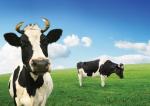
Industrialising British dairys will take cows out of fields and into factory farms. Not only does keeping them indoors in ‘battery style’ housing inhibit their natural behaviour, but many dairy farmers report how their cows – young and old – bound across the fields on the first day of spring when their winter sheds open and they are released into the green fields for the warmer months. Cows are sociable creatures and prosper when living in small, stable groups. Vast factory farms would force cows to live in groups of up to 500, with herds often changing for the factory’s convenience. Overcrowding and constant regrouping can be a major cause of stress, bullying and aggression, with young cows often coming off worse.
There is no suggestion that factory milk will be cheaper, fresher or taste better. In fact research shows that factory milk may contain fewer vitamins and antioxidants. If we want the milk we have come to expect, as rich as possible in vital nutrients, we must keep Britain’s cows grazing outdoors for significant periods of the year, and not drive milk quality down by chasing ever higher yields. If we open the factory gates to farming on this scale, the gulf between the new reality and people’s perception of how their milk is produced will be ever wider. There is growing consumer conscientiousness about where food comes from, how it is produced and quality of life and welfare of the animals that produce it. We have recently seen the rejection of battery eggs, better pig welfare championed by celebrities like Hugh Fernley Whittingstall and Jamie Oliver
So whats the latest with the mega dairies?
Plans for the UK’s first mega dairy were withdrawn in February 2011. However the story does not end there. There are and will be renewed plans very soon to try to reintroduce these. They go back and tweak a few of the issues and make a repropsal and so it goes until they are accepted. If a proposal such as Nocton Dairies was ever built it could change the face of our farming and our countryside forever.
To give you an idea of the size of this proposed ‘factory farm’ here are some stats:
Proposed 22 acres of sheds stretching the length of seven football pitches.
The sheds house 8,100 cows.
40 trucks containing 420,000 pints of milk rolling up and down B roads every day.
Enough manure annually to fill Wembley Stadium – this manure spread on surrounding fields would risk contaminating rivers and streams.
This is what the 650 inhabitants of the sleepy village of Nocton, which currently boasts a post office, a primary school and a village hall, would experience if a mega-dairy was built in their village. Is it ok to build one of these mega dairies but only if it’s not on our doorstep?
 So what do Nocton say?
Well its hardly a shock to learn that this was a leading quote in one article about Nocton: “Cows do not belong in fields,” say the Nocton Dairies developers. Nocton Dairies claimed that on-hand vets and trained staff would be able to respond to any of the health issues that were likely to be exacerbated in an intensive indoor system. But with 600 cows per worker, their care would inevitably have been more function-based or “robotic” than based on traditional stockmanship principles where each individual cow is known to the stockman.
In the past 40 years, global livestock farming has changed beyond all recognition. The consequences for animal welfare and have been disastrous and it has also contributed to extremely serious environmental, human health and food security problems. Developers looking to exploit what they see as being economies of scale have looked at the vast, industrial “cow factories” of the USA, and liked what they saw. But in the USA, there is now a growing backlash against this type of farming. There is increasing evidence that in America’s industrial CAFOs (Concentrated Animal Feed Operations), the cows, the milk, the farmers, the public and the environment have all suffered immense long-term consequences. The CAFOs were brilliantly highlighted in the film Food Inc, which some of you may be familiar.
Low milk prices have long been driving British dairy farmers out of business. Although intensification is being hailed as a beacon economically, factory farming is far from being the only solution. Britain needs to place less focus on short-term gain and milk quantity, and more on longer-term gains and healthier cows. In 1985 there were 28,00 dairy farmers now there are 11,800. One dairy farmer a week commits suicide – these are the stark facts. The chief villain are the supermakets which by driving down milk prices are forcing farmers to intensify production or go out of business and leave the way for foreign imports One litre of milk costs 75p, the farmer gets 26p which is exactly the price it costs to make it.
To be honest a lot of consumers just don’t care, and I’ve got into heated debates about this subject over many a dinner table! My argument against factory farming or the CFO’s is once they are let in, there is no stopping their spread and control, so they must be stopped first. Fundamentally its up to you, if you are happy with factory farming then by all means make your own choices, but if you are in any doubt as to the benefits then please do pause for thought. So while you are walking round the supermarket really look carefully at the milk you buy, not only for your health, but also where it was produced. Buying imported milk is insane. If you can support your local dairy farms in your area, then please do. If you’d like more information on this subject Not In My cuppa or The Soil Association are great places to start.
 Well that was quite a shindig wasn’t it?! Great reading some articles about how the vacuous Khardashians have no place in the future generation of women who have different role models now – let’s hope hey? Probably short lived but it gives us a reason to try hard, do our best, not want everything now, and know that really in order to succeed you have to work very hard (unless you’re a lottery winner!).
Getting back to health and fitness. It still amazes me how many people walk around with several ailments and symptoms and just “put it down to age” or “doesn’t everyone have that?”. Some people think its normal to have a headache once a week, feel tired all the time, ache a bit, feel a bit low all day, have PMT etc etc. Actually its not normal to have all these things. I call these people the vertically ill. They get up, function, go to work, come home, get up and go to work again but if they sat down long enough they would realise that actually they don’t feel very well. And that’s where a health MOT is a good idea. Starting with your GP is a good idea or a well woman/well man private health insurance package. If those tests are all ok then its time for a nutritional MOT: blood sugar balance, mineral and vitamin deficiency levels, diet analysis, balancing hormones, ruling out reasons for tiredness etc. Finding out what works for you can be a lifelong process – not everyone reacts the same which is why you need individual advice.
What saddens me is that there are a whole string of blood tests that are not tested for that may get you to your optimal fitness and health. Quite a few people I see are walking around with borderline hypothyroidism, borderline iron levels, low vitamin D levels, low B12 levels etc etc. That would never happen to an olympic athlete – they have the best nutrition advice around and make sure everything is at its optimum best!
If you feel like you need an MOT, then give me a call on 01323 737814. It’s a two hour session, with you bringing along a weeks food diary, copies of as many blood tests as you lay your hands on, all your medications and all your supplements. People find this very useful if all their GP tests have come back normal – then it’s time to dig a little deeper!
Many people read this blog, so before I start this comment I would strongly say that this is not a dietician bashing episode. Far from it, what it is, is an evaluation about training – for both dieticians and nutritionists. So this morning my father who is a Daily Mail reader passed me this comment by their resident GP. As I can’t find the link online I only have the hard copy but will copy it on here for you to read:
By the way… Patients need FOOD, not body builder drinks
For the third time in a month I’ve found that one of my patients recovering after major surgery has been issued a supply of fortified chemical drinks by a hopsital dietician. These drinks are intended to provide calories and nutrients for recovery but I’d have preferred the patient to have been given careful structured advice about what food to eat, and the relevant meals to have been supplied instead. What has happened to the dietitian profession? You might be forgiven for thinking that dietetics has something to do with food and healthy eating but it seem that for the most part nothing could be further from the truth. I questioned a friend who has just graduated after a four year slog at university to gain a degree in dietetics. Previously a sucessful professional restauranteur she had to study for science A levels attained an undergraduate place and learned details physiology biochemistry pharmacology psychology and a host of allied subjects to gain her BSc. On graduation she was handed the keys to the fortified drinks cupboard and is permitted to help patients decide if they would prefer the strawberry or the chocolate flavour. Her training is about everything but food and nutritious eating. I spend a lot of time cautioning patients against blindly entrusting their care to nutritionists peddling supplements and dubious exclusion diets on the grounds that the title nutritionist has not legal status, always consult a trained dietitian I say. Now I have come to realise that even the leading private hospitals in london have reduced much of their dietician service to the supply of these fortified drinks. So I may have to change my tune many nutritionists are doing a better job than dieticians. And the one dietician I know who used to walk across the road from Harley street to the gastronomic outlets in Marylebone High Street to buy appropriate yet delightful snacks to buy patients (often frail after major surgery or bravely tolerating chemotherapy) has been banned from doing this. I wonder why?
I have sent a letter to this GP to explain our frustrations at the above and the amount of quack nutritionists who do peddle a lot of nonsense and supplements. I’d love to hear your views on this and your experiences of NHS dieticians, nutritionists and fortified drinks or food eaten whilst you or a relative were recovering from surgery.
I caught up with Eat, Fast Live Longer – BBC2’s documentary last night with Michael Moseley on AFD. AFD stands for alternate fasting days and the science behind it seems sound. Fasting for four days, or even 5 days off, 2 days on, seems to bring down your ageing markers quite dramatically ie Blood pressure, glucose LDL cholesterol etc. I fasted for 7 days in 2000 but it was in a hospital environment. It was very very hard as I only had ice cubes or water to drink, nothing else. My aim was not to lose weight – but I lost a stone in a week and my blood pressure was so low I could barely get out of bed at 80/50. I quite like the idea of eating normally for five days and then restricted calorie intake for two, but I was saddened to see one of the researches and Michael hit a fast food joint for lunch on their “normal” days. This does not send out the right message at all.
 Hello bloggers, a quick August catch up. I hope you are all enjoying the fabulous Olympics and the rising number of gold medals – a great inspiration to younger adults I think you will agree! I’m enjoying the new Channel 4 series Simply Italian and am inspired to create a few dishes for friends. I have an August BOGOF (!) deal for those who are finding things financially hard at the moment – if you book a consultation in August your partner comes free – you cannot say fairer than that – for August only! I’ve had a great year, more bowel issues than ever which is great and more chronic fatigue as well. Many referrals from GP’s which is also great and let’s me get to grips with complex medical history which I love. Much of this is collating huge amounts of information and setting people on the right path of action. My newsletter is still getting positive feedback but am happy to hear what you think good or bad or topics you would like me to write about – they do vary in subject matter as you know! I’m so grateful to be doing a job I love! See you soon. x
@katearnoldnutrition
© 2025 Kate Arnold Nutrition
All Rights Reserved
 As the cold and flu season approaches, Vitamin D’s benefits on immune system function are more important than ever. Medical research shows that maintaining high levels of Vitamin D is one of the best things people can do to help fight off colds and flu. It plays a major role in supporting immune function and is known to be an effective agent against inflammation, which is typically caused by flu and other respiratory viruses. By helping modulate the body’s response to respiratory viruses, it helps prevent dangerous and even fatal build up of fluid in the lungs. Though as yet there is no clinical evidence that supplemental Vitamin D can be considered a flu preventative or treatment, there is ample evidence that low levels of the vitamin are associated with higher incidence of a wide range of serious illnesses, including respiratory infections. In addition, numerous studies have shown that people with high levels of the vitamin appear to be less likely to contract flu and other respiratory viruses.
 more infections. It was first thought that this was due to weakened bones but its more probably down to a lack of vitamin D. Vitamin D is found in fish liver oils, butter, cod liver oil, egg yolks, halibut, liver, milk, oats, salmon, sardines, sweet potatoes, tuna and vegetable oils. Vitamin D is also made by the body in response to the action of sunlight on the skin. Any intestinal disorders and liver and gallbladder malfunctions can interfere with the absorption of vitamin D and also some cholesterol lowering drugs, antacids, mineral oils and steroid hormones can also interfere with the absorption. The message here is get out in the sunlight, particularly in winter, as much as possible. Get your levels checked. For every ten people I check with a blood test – four are deficient and need some sort of additional supplementation. What is concerning is these people are eating foods with vitamin D, so particularly this year, barring any other underlying conditions, it seems to be a sunlight issue.
  Egyptians. The builders of the pyramids supposedly ate garlic daily for endurance and strength. It is a potent immune system stimulant and a natural antibiotic. Garlic contains an amino acid derivative called alliin. When converted to allicin, garlic has an antibiotic effect that exerts an antibacterial effect estimated to equivalent 1 percent of penicillin. Because of its antibiotic properties garlic was used to treat wounds and infection and to prevent gangrene during the first world war. There is also some evidence that it can destroy certain viruses. If you can’t cope with it raw, roasted and stir fried you can take Aged Kyolic Garlic from Quest. The versatility of garlic is amazing: it has antioxidant properties; the sulphur and hydrogen compounds in garlic are effective protectors against oxidation and free radical damage. Garlic aids in the detoxification of peroxides such as hydrogen peroxide and helps to prevent fats from being oxidised and deposited in the tissues and arteries. Studies on aged garlic extract (AGE) have shown that the aging process boosts the antioxidant potential. AGE protects against DNA damage, keeps blood vessels healthy, and guards against radiation and sunlight damage. If you’re worried about garlic smells choose an odourless form, like AGE or try chewing parsley.
 Vitamin C is an antioxidant that is required for at least three metabolic functions in the body including; tissue growth, repair of adrenal gland function and healthy gums. It also aids in the production of anti stress hormones and interferon. Studies have shown that taking vitamin C can recede symptoms of asthma and it protects against the harmful effects of pollution, helps to prevent cancer, protects against infection and enhances immunity. Vitamin C increases the absorption of iron, so they are often taken together. As we are unable to make it ourselves, it must be obtained through the diet or in the form of a supplement. Alcohol, analgesics, antidepressants, oral contraceptives and steroids may reduce the levels of vitamin C in the body but smoking causes a serious depletion of this vitamin, more so than anything else. Be careful taking large amounts of ascorbic acid as this can lead to stomach irritation – trying taking non ascorbate acid e.g. magnesium or calcium ascorbate. I’ve never found personally or professionally that vitamin C stops a cold or flu but certainly it’s worth taking 1g daily in the flu and cold season to ‘boost’ the immune system.
 One of the most important factors in preventing flu and colds is hygiene. The two main ways they spread are: firstly, if someone who is infected sneezes or coughs and you come in contact with the virus in the air; and secondly, if you touch an object which may have the virus and you then touch your eyes, mouth or nose. I don’t want you all becoming OCD about hand washing (!) but washing your hands thoroughly can reduce your likelihood of catching viruses by a whopping 35%. It’s common for people to touch their nose, eyes and mouth. Most of these actions are sub-conscious, like licking your tongue for flipping pages of a book or a magazine. As soon as you feel an itch you immediately rub or scratch your eyes. Remember the virus can be anywhere – a door knob, a remote control, phones, computer keyboards, etc. All you need to do is keep washing your hands with soap and water frequently. And most importantly, stop touching your face. Try and wash your hands before handling food and eating, putting on contact lenses, going to the loo, blowing your nose, or coughing and sneezing, touching animals, handling rubbish, smoking, changing nappies and door handles, going into hospital or visiting sick or injured people.
 bacteria to get in to the cell membrane. Echinacea has an active constituent with neutralises the hyaluronidase and stops the bacteria from spreading, leaving the white blood cells to deal with the infection locally. Cell membranes have receptor sites to which viruses attach themselves and each have molecules which block the receptor sites so that viruses cannot become attached. It will also increase the activity of the immune system by activating the coding of T cells. Generally it fights inflammation and bacterial and viral infection and stimulates certain white blood cells. Echinacea is good for the immune system, colic, colds, flu and infectious illnesses. It should not be taken for long periods of time with people with autoimmune disorders, and it’s best not to take it all year round, but now is an excellent time of year to start. Some of my patients swear by it and say they never get ill during the winter. You can buy it in a tincture in drops or in tablets. I prefer the tincture as it’s more potent. Before you get the flu, general symptoms of an impaired immune system include fatigue, repeated infections, inflammation, allergic reactions, oral thrush and slow wound healing. It is estimated that a healthy adult will catch on average two colds per year – people who have more colds and infections are likely to have some problem with their immune function.
 When we think about immunity we often forget about our gut. Seventy per cent of the body’s immune system is in the gut, so keeping it healthy is crucial. Let’s look firstly at probiotics. Probiotics are beneficial bacteria normally present in the digestive tract. They are vital for proper digestion and also perform a number of other useful functions such as preventing the overgrowth of yeast and other pathogens, and synthesizing vitamin K. The probiotics most often used as supplements are acidophilus and bifidobacteria. Cultured fermented foods also contain various types and amounts of beneficial bacterias. These foods include buttermilk, cheese, kefir, miso, sauerkraut, tempe and yoghurt. The digestive tract is known as the gut associated immune system. Incomplete digested foods can result in immune reactions like allergies. Whether you succumb to infections is also linked by your balance of gut flora. Probiotics produce substances which stop harmful bacteria growing. They are nature’s antibiotics. They keep E coli, enterobacteria, staphylococci, salmonella and campylobacter at bay and help prevent food poisoning. But they don’t just stop there – probiotics give pathogenic bacteria a hard time and boost your immune system so are useful in all types of disease from cancer to allergies.
 bacteria. Supplementing your diet can help you maintain a healthy intestinal flora. Unhealthy flora can result in the liberation of abnormally high levels of ammonia as protein containing foods are digested. This irritates the intestinal membranes and in addition the ammonia is absorbed in the blood stream and must be detoxified by the liver or it can cause nausea, a decrease in appetite, vomiting and other toxic reactions. By promoting the proper digestion of foods the friendly bacteria also aid in preventing digestive disorders such as constipation and gas as well as food allergies. If digestion is poor, the activity of intestinal bacteria on undigested food may lead to excessive production of the body chemical histamine which triggers allergic symptoms. So in the coming months if you feel your immunity is low, it is worth taking a daily probiotic supplement. As some of you know I’m not a fan of the probiotic drinks, as they are expensive and the levels of good bacteria in them are low. For those sensitive to dairy foods, they are not suitable and they contain sugar. Eating a diet high in probiotic foods will serve you just as well and these include: leeks, onions, garlic, shallots, asparagus, artichokes, fruit and vegetables and a high soluble fibre diet encourages the right bacteria. Please do not buy cheap probiotics, they are a total waste of money. If you want some expert advice – ask someone qualified to talk you through the various probiotic supplements on the market.